
Purity Embodied
You’ll marry me but you won’t get on a bus.

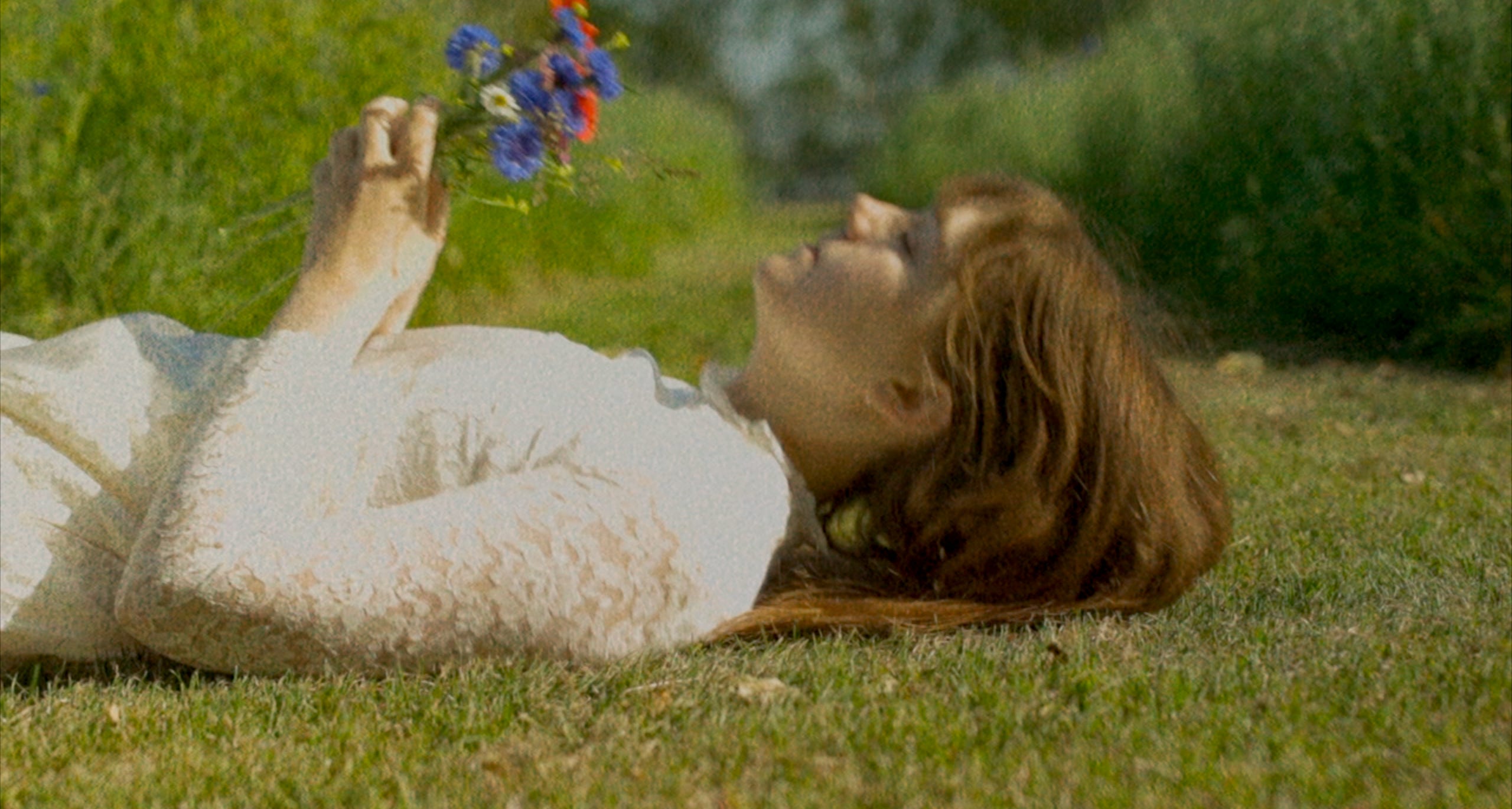
I’m on a patio, drinking seltzer, at the worst party of the summer. It’s my party. None of the guests know each other, few of them want to. The conversation is scattered introductions, biographical facts, and observations about the backyard. I am sitting in a hammock to appear relaxed. The sky is light. The sun will never set. There is no music or booze to save us.
When Robin arrives, I maneuver out of the hammock too quickly and land on all fours. I stand and walk toward him, brushing dirt off my knees.
“I’m so glad you came,” I whisper. “One minute,” I call to my guests, who look on with mounting panic as I enter the house.
I lead Robin upstairs to my bedroom, where I sit down on the bed and begin to cry. I can’t name a single thing that has happened to Robin in the past year, but I still know him better than anyone. Or I know so little that I can imagine the rest.
“It’s a disaster,” I say.
“It’s fine,” he says without conviction.
“I wasn’t ready for this,” I say, trying to smile. “A party. It’s too soon.”
He sits down next to me. Through the open window I hear snatches of forced conversation, long pauses, no laughter. My dad died a month ago. Robin’s dad died a decade ago. This is why I invited him. I am too consumed with grief to wonder if this is fair. Our legs are touching and it’s unclear who’s responsible.
“Do you ever think about us?” I say.
“We’ve tried this before,” Robin says, which isn’t a no.
We met on a park bench in London. He had coffee in the corners of his mouth even though it was late afternoon. He invited me to a magazine launch. I said yes because I wanted to meet writers, to become one.
The magazine was Catholic. Everyone at the launch was Catholic, including him. They had posh accents and advanced degrees, which made Catholicism seem more like an academic distinction than a faith. I was curious and asked a lot of questions.
“We don’t follow it to the letter,” a man told me, one arm around his girlfriend’s shoulders.
“There’s room for interpretation,” she confirmed.
Not everyone agreed. “You definitely can’t have sex before marriage,” they said, scanning the room. “Who here told you otherwise?”
I went home alone. The next morning, I called Robin. We got coffee and talked about God. I explained how whenever I missed a bus or train, I imagine I’ve narrowly avoided some horrible fate. Robin was listening so intently that I wanted to say, “I’m not serious,” even though I was.
We began seeing each other once a week. He didn’t live in the city. During his visits, I felt certain that I could possess him if I wanted. I just had to say the word. But during his absences, he was impossible to get ahold of, too busy to make plans, too tired to talk.
“Just get on a train,” I said. “We’ll do something nice.”
“I can’t,” he replied. “I just can’t.”
“I’ll come to you.” But how could I do that? He hadn’t told me the name of his town.
He also hadn’t told me his last name. He was a professional writer, he explained. He didn’t want me to see that side of him, not until we knew each other better.
His work was out there, somewhere, consumed and interpreted, printed and posted and shared. It haunted me. The internet was vast. I tried looking up his first name, his university, his religion. I tried every possible search term, but without his last name, nothing came up.
One night, walking home from a pub, I stopped on a square of sidewalk and told him, “I’m not moving until you tell me your last name.”
“Come on,” he said wearily, as if embarrassed on my behalf. A minute passed in silence. I stepped out of the square and we continued walking.
He stayed in my bed that night. We didn’t have sex. He was Catholic. I was impatient. We were at odds. Things were never easy. We made scenes in public. We debated loudly in restaurants. He criticized my taste in poetry. I cried in a park. He stood on the street outside my apartment, calling for me to come out.
“Block his number,” my roommates said. “Call the cops.” I ignored them and went outside.
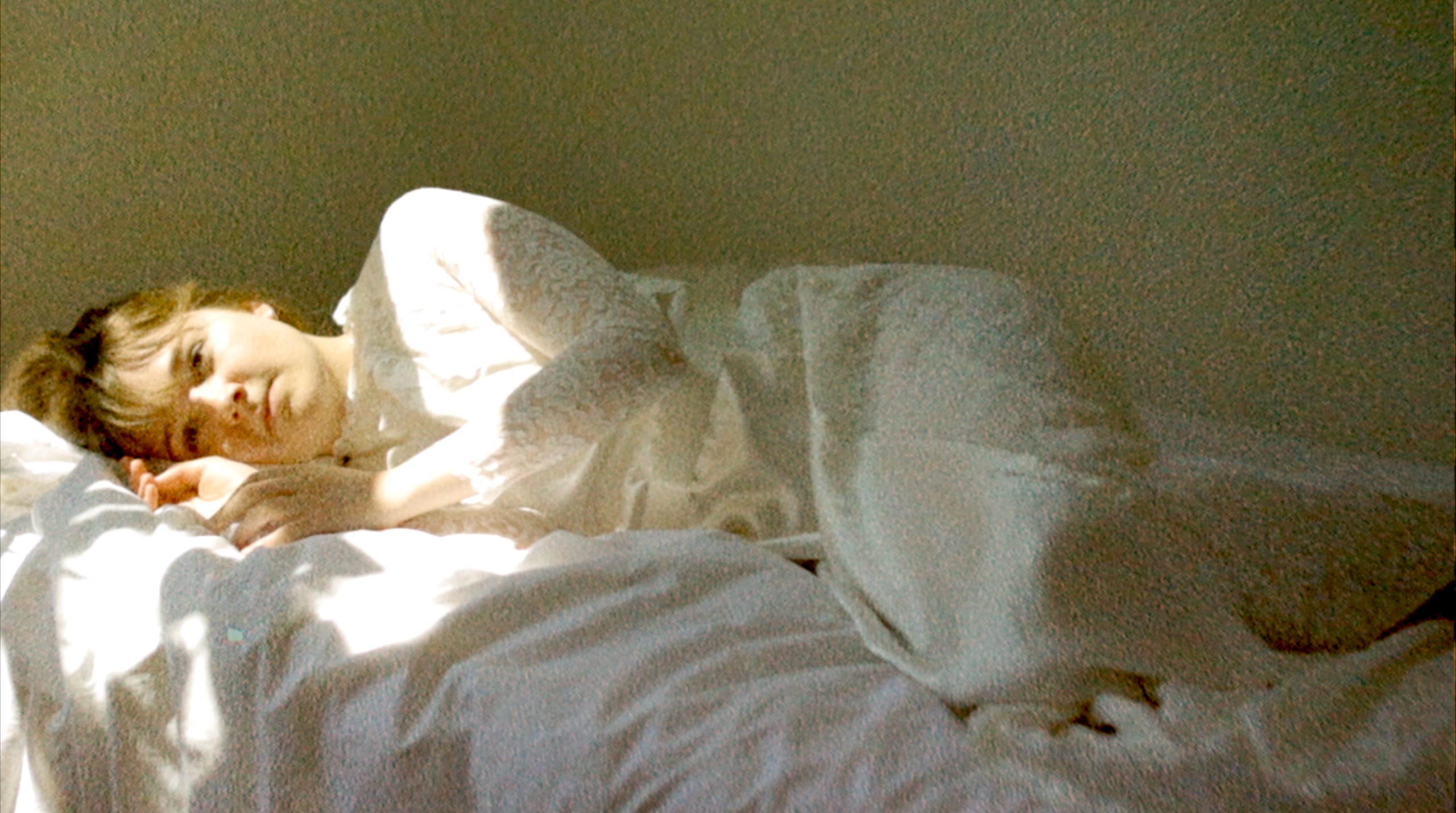
When I was accepted to a graduate writing program in the States, I figured we would keep seeing each other. He would come with me to Missouri, or we would split our time between the two continents. Or I would quit school to be with him. He wasn’t my boyfriend. I still didn’t know his last name.
I worried he would find someone new when I left. I worried the celibacy had nothing to do with his religion; it was just another way to push me away. When I told him this, he replied with mocking formality: “Darling, I won’t cease to be a Catholic when you leave.”
The day of my flight, we planned to say goodbye in central London. I caught the bus there. He didn’t show up. “I’m sorry,” he texted, “I just can’t.” I called him over and over. He didn’t answer. He texted instead, grand declarations, long paragraphs I read alone in the street.
“I’ve never felt this way about anyone,” he wrote. “I can see a whole life with you.”
“You’ll marry me but you won’t get on a bus?”
I had a few hours to kill before my flight. I cried in Trafalgar Square, in an alleyway, by the river, on the steps of a church, outside a bank. People saw me and it didn’t matter. I was a background character, a small detail to be swallowed and forgotten.
I went to the library to cancel my flight. The idea of a degree in writing seemed suddenly false and futile, like a photograph of a painting. I needed the real thing. I needed London. This wasn’t about Robin. It was about God or something. I resolved to stay in London. But I couldn’t get a refund on my flight. I went to the airport.
Missouri was a disaster: excessive coursework, wall-to-wall carpet, and nothing to do on the weekends. I joined a church. In the dark of night, I began to pray. I knelt naked on my floor-mattress, my shins sinking into the springs. If God was watching, he was trying not to laugh.
I bought a book on Catholicism. I wrestled with Dante. I wrote a song called “Catholic.” The chorus was a single phrase, repeated over and over: Darling, I won’t cease to be a Catholic when you leave. I showed up late to class. I taped black construction paper over my windows. I looked for someone new to love. I missed Robin. He texted occasionally.
“What are you up to?” he wrote.
“Just cleaning my room.”
“That’s your answer? That’s the best you can come up with? I would expect more from a writer.”
Whenever he called me a writer, I heard the word in quotes. I wasn’t a professional like him. I’d never sold a story. But I still wanted him to respect me. And I wanted to read his work, to locate the source of his pride.
“You’re Catholic,” I replied, as if all he needed was a reminder. How could such a person claim a special connection to God?
When I blocked his number, he messaged me on another platform. When I blocked that account, he made a new one. “You think that will stop me?” He was chasing me now, but I didn’t take it personally. He would never take me, even if I stopped dead in my tracks.
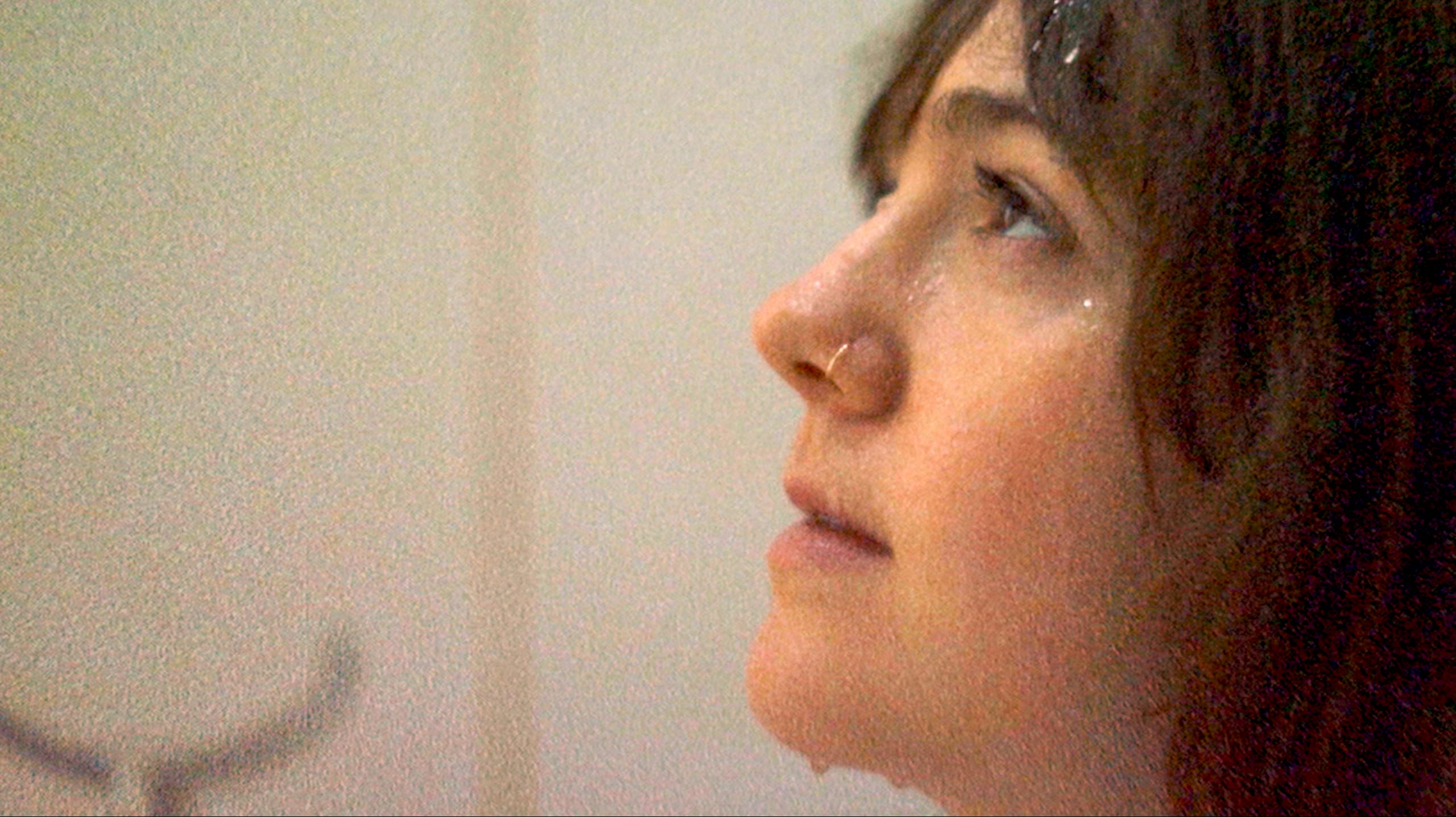
I tried to make grad school work. I signed up for a jazz ensemble and put art on my walls. I spent a lot of money on matching dishware. I rode a bike and played tennis with fellow students. But in the end, I didn’t really want a writing degree. I just wanted to write. I dropped out and flew back to London.
Robin was the first person I called. My desire to see him was stronger than any lesson I’d learned. He took the train. I waited on the sidewalk for my life to change. The sun was setting and the air was still warm. He appeared and said simply, “I feel like you want me to promise something and I can’t.”
Months passed. I met someone new. It was a relief to be in love again. It meant that Robin was behind me. Now I only thought of him when I performed his song.
I was impure while you were purity embodied. I was sure that you were too pure to want me.
“This can’t be about me,” Robin said when I sent it to him.
My new boyfriend was different. A realist, a scientist, he had no interest in abstraction, no patience for God. He didn’t like reading. He didn’t listen to my music. It was simpler that way. It wouldn’t last. But for the time being, it was simpler.
Robin reached out. We went on a walk. He apologized for how he’d treated me. He’d started therapy, applied for a paralegal job, grown closer with his mother. I knew I wasn’t supposed to believe any of this. But I did. I trusted him. I sensed he needed it.
I wondered aloud how he would balance the new job with his writing. “I’m not a writer,” he said. “I invented that to impress you.”
The party is breaking up. Chairs scrape against the cement outside. I sit on the edge of the bed, my eyes stinging with salt. The worst is over, but it’ll come back again. Robin stands by my bedroom door, ready for something.
“I saw you released that song,” he says. “Catholic. I think I’m your top listener.”
“It only has a few hundred listens.”
“Well, they’re all from me.”
There’s commotion in the downstairs hall, jacket zippers and rubber soles on the tiles. “Maybe you should say goodbye to your guests,” Robin says.
It seems there is nothing to do now but kiss him. He lets it happen. We pull apart and stand facing each other, waiting for a feeling that doesn’t come.
A voice calls up the stairs: “I’m heading out!”
I open the door and say, “Bye.” Maybe no one hears me. I turn to Robin. “You know how when someone dies, people say they look like they’re sleeping? Was it like that with your dad?”
Robin thinks for a moment. “Yes,” he says. “Almost like he might wake up.”
I do not tell him that it was different for me. That when I entered the room that day, my father was pale, unfamiliar, obviously gone. What was there to imagine then? What was there to believe?
This line, "If God was watching, he was trying not to laugh." Was so utterly brilliant. Thank you for sharing your gorgeous writing and song. 💕
I’m so in love with that first paragraph. The whole story is captivating. Then the music video! 🤯 your art, no matter the form, is such a serious gift.